If you’re a woman who struggles to climax during physical intimacy, I want you to know you’re not alone.
Truth is, about 70% of women of all ages rarely or never climax during physical intimacy. These figures underscore the importance of understanding the truth about female orgasms.
Which is kinda sad, when you think about it.
My colleague Alex researched this issue deeply after she lost her ability to climax following the birth of her first child. Her investigation into the truth about female orgasms was enlightening.
And what she discovered is downright shocking.
Get this…
She says a woman’s inability to climax is mainly due to a misalignment of the female anatomy caused by our modern lifestyles.
And that by doing one simple upper body alignment technique, you can correct this issue, restore blood flow to your sensitive areas… and… unlock your female pleasure centers. Understanding the truth about female orgasms can lead to better intimacy.
I know it might sound good, but if you’ve ever wished you could achieve the “Big O” with your partner…
Then you owe it to BOTH of you to watch this short presentation right now…
Today I’m sharing a simple sleep trick. It will help you sleep like a baby. This is true no matter how bad your sleep is today.
A few years ago, a top sleep scientist working with one of the biggest drug companies in the U.S. stumbled on something extraordinary…
A 30-second “Sleep Reset” that actually helped people sleep deeper and longer — without pills, side effects, or sedatives.
It didn’t involve pills, gadgets, or weird rituals. Just one natural trick that worked…
And was fixing people’s sleep for good!
And that’s exactly why the company shut it down.
Because once people fixed their sleep… They stopped buying their pills.
So, this doctor walked away.
He quit. Left Big Pharma behind — and dedicated his life to helping people sleep like babies again… naturally.
Today, his 30-second reset is finally available to the public. It’s already helping thousands fall asleep faster. People stay asleep longer and wake up truly rested.
P.S. Jessie D. from Maryland shared: “I used to wake up tired every day. Now that I fixed my sleep, I feel like I’m 20 again. The skinny jeans I haven’t worn in years almost fit!”
30 million women are suffering from pelvic pain in women. This results in debilitating symptoms like urine leaking, painful intimacy, prolapse, and weak or non-existent orgasms.
It’s the “dirty secret” that no one seems to want to talk about. And most of the time, doctors have no idea how to help.
My friend and colleague Isa Herrera, MSPT, CSCS, is on a mission to help women heal their pelvic floors naturally.
As a licensed physical therapist, she is an expert in integrative pelvic floor therapies. She’s treated over 20,000 women over the last 14 years. Her clinic is in New York City. Through her online programs, she provides valuable assistance. These programs can help you if you experience leaking, prolapse, or any pelvic pain. This support is specifically for women.
She’s written five books on pelvic health, including the International Bestseller Female Pelvic Alchemy, . She’s been featured in places like the Today Show and Live with Regis and Kelly.
I trust Isa’s expertise. I have even had her on as a guest coach to share her wisdom around women’s pelvic health.
The older I get, the more important this info becomes. I know you will gain from hearing what Isa has to share. If you’ve ever peed when you sneeze – you have to check her out – your bladder will thank you.
5 Things You Absolutely Need to Know About Your Lady Parts
1: If you have “down there” problems: it is common, but it’s not normal.
49% of women experience leaking….where you’ll “pee just a little” (or a lot)…
To the point where you’re carrying pantyliners everywhere you go, and you can’t sneeze or cough without leaking.
Nearly HALF of women?
2: The medical community has NO IDEA how to solve it!
Recently, the FDA declared that transvaginal mesh surgeries are unsafe as a treatment for pelvic organ prolapse.
In many cases, the vaginal mesh surgery being performed is unnecessary. It provides less than optimal results. Additionally, it leaves women traumatized and, in more pain, than they initially experienced. Women then need extra surgery to remove it.
Other alternatives offered by the traditional medical community, like opioid painkillers or vaginal injections, aren’t any better.
Which means that MOST women are on what Isa calls the “Doctor Roadshow”…seeing doctor after doctor without any real results related to pelvic pain.
3: Your Pelvic Floor is “Grand Central Station” for your ENTIRE body!
Think about it – your pelvic floor is literally the center of your body. When your pelvic floor and core are strong, your whole body is strong. Meanwhile, when it weakens, it can cause many other health issues. Not only “down there” issues but also linked to pelvic pain in women.
4: So what’s the answer? Pelvic floor therapy – the RIGHT WAY!
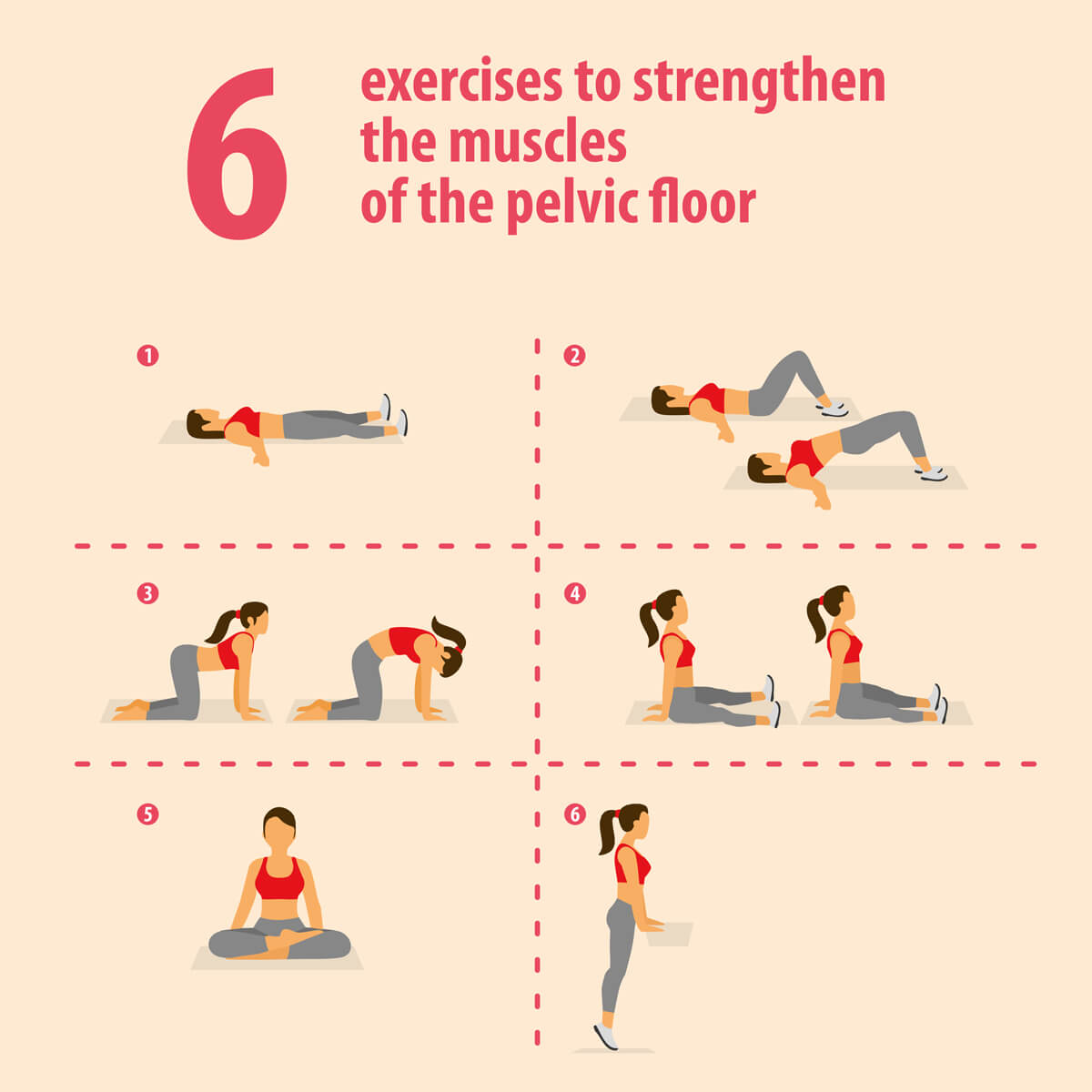
Pelvic floor therapy is designed to strengthen, relax, and tone the pelvic floor muscles. It involves gentle exercise, massage, breathwork, and meditation. Often, pelvic floor therapy includes yoga, abdominal exercises, and Kegel exercises.
I was shocked when Isa told me that there are actually thirteen different kinds of Kegel exercises! These exercises can be easily learned and performed regularly, even if you’re not particularly athletic or coordinated.
Sometimes, women have been told that “Kegels aren’t right for them” or that “Kegels don’t work.” Usually, this is because they are either doing Kegels wrong or they are doing the wrong Kegel. It’s important to note that there’s also an exercise called a reverse Kegel. It’s just as important to learn as a Kegel is.
Great pelvic floor therapy programs include a variety of Kegel exercises. This is because the science shows that they work. In a variety of studies, Kegels, when done properly, have shown to heal prolapse. They improve incontinence. They can even increase satisfaction with intimacy.
Most women don’t have access to this information. That’s why Isa is on a mission to help women HEAL their pelvic floors. She aims to tackle pelvic pain.
5: You CAN heal yourself in the privacy of your home, without doctors, pills, creams, or surgeries
Isa wants to show you how! She’s hosting a FREE online class called:
The simple, natural tweaks you can make to your everyday routine to tighten, tone, and strengthen your pelvic floor – and stop the pressure, leaking, or discomfort
Why traditional Kegels can cause even more damage (and how to choose the ones that are right for you)
Her top 3 techniques to instantly take back control of your love life and reconnect with your partner
And more.
Pelvic Pain in Women
Learn about the impact of pelvic pain on women’s lives. Find out how to seek effective treatments. Improve your quality of life.
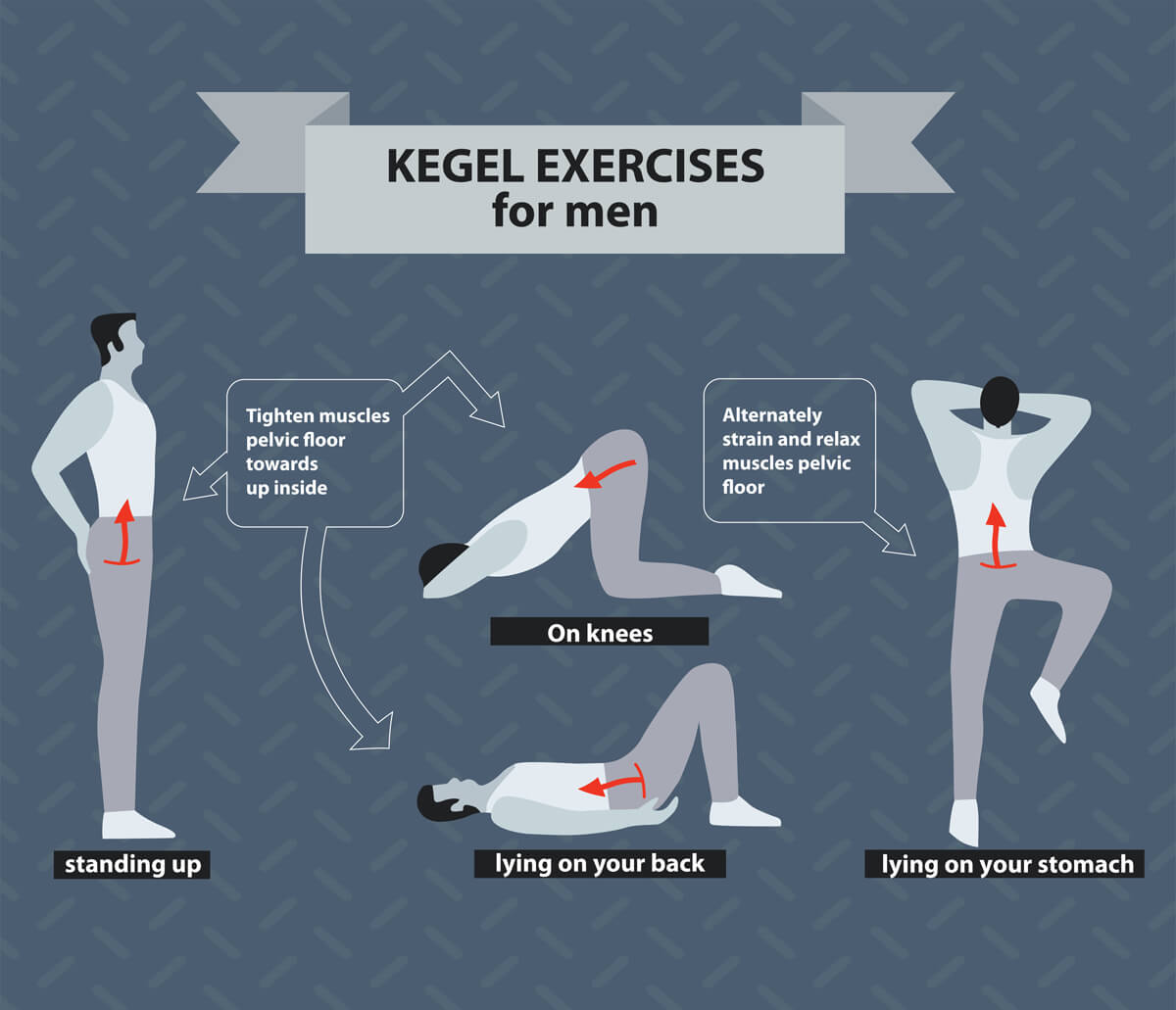
Kegel exercises, also known as pelvic floor exercises, are designed to strengthen the muscles of the pelvic floor. While often associated with women, these exercises can be equally beneficial for men. The pelvic floor muscles support various organs, including the bladder and rectum, and play a crucial role in urinary control and sexual function.
Anatomy of the Pelvic Floor
The pelvic floor is a group of muscles that form a supportive hammock across the bottom of the pelvis. In men, these muscles include the pubococcygeus, iliococcygeus, and puborectalis. Strengthening these muscles through Kegel exercises can lead to improved bladder control, enhanced sexual performance, and prevention or management of conditions such as erectile dysfunction.
Benefits of Kegel Exercises for Men
Improved Urinary Control: Many men experience urinary incontinence due to aging or prostate surgery. Kegel exercises help strengthen the pelvic floor muscles, which can reduce leakage and improve overall bladder control.
Enhanced Sexual Function: Research indicates that strong pelvic floor muscles can lead to better erections and increased sexual satisfaction. By improving blood flow to the genital area and enhancing muscle contractions during ejaculation, Kegel exercises may contribute to improved sexual health.
Prevention of Prolapse: Although more common in women, men can also experience pelvic organ prolapse. Strengthening the pelvic floor may help prevent this condition by providing better support for internal organs.
Post-Surgery Recovery: After prostate surgery or other related procedures, men may benefit from Kegel exercises as part of their recovery process. These exercises can aid in regaining urinary control and improving overall quality of life post-surgery.
How to Perform Kegel Exercises
To effectively perform Kegel exercises:
Identify the Right Muscles: The first step is identifying your pelvic floor muscles. A simple way to do this is by attempting to stop urination midstream; the muscles you engage are your pelvic floor muscles.
Technique:
Once identified, contract these muscles for about 3-5 seconds.
Relax them for an equal duration.
Aim for 10-15 repetitions per session.
Perform this exercise three times a day.
Consistency is Key: Like any exercise regimen, consistency is crucial for achieving results. It may take several weeks or even months before noticeable improvements occur.
Avoid Common Mistakes: Ensure you are not holding your breath or tightening other muscle groups (like those in your abdomen or thighs) while performing Kegels; focus solely on contracting the pelvic floor muscles.
Conclusion
Kegel exercises offer numerous benefits for men’s health by strengthening the pelvic floor muscles essential for urinary control and sexual function. Regular practice can lead to significant improvements in quality of life and overall well-being.
Kegel Exercises for Men
Learn the importance of Kegel exercises for men to enhance bladder control and tackle issues like erectile dysfunction.
Kegel exercises, named after Dr. Arnold Kegel who developed them in the 1940s, involve a form of pelvic floor muscle training. They are designed to strengthen the muscles that support the bladder, uterus, and rectum. These exercises are particularly beneficial for women. They are especially useful during and after pregnancy. They can help prevent or treat urinary incontinence. Additionally, they improve sexual performance.
Anatomy of the Pelvic Floor
The pelvic floor is a group of muscles and connective tissues that span the bottom of the pelvis. It plays a crucial role in supporting pelvic organs like the bladder, uterus, and rectum. The primary muscles involved in Kegel exercises include the pubococcygeus (PC) muscle, which is part of the levator ani group. Strengthening these muscles can lead to improved control over urination and bowel movements.
Benefits of Kegel Exercises
Improved Bladder Control: One of the most significant benefits of Kegel exercises is their ability to enhance bladder control. Many women experience urinary incontinence due to weakened pelvic floor muscles from childbirth or aging. Regular practice can help mitigate these issues.
Enhanced Sexual Role: Strengthening pelvic floor muscles can lead to increased sensation during intercourse. This can contribute to more intense orgasms. Some studies suggest that women who do Kegel exercises report greater sexual satisfaction.
Support During Pregnancy: Pregnant women can gain from Kegel exercises. These exercises help prepare for childbirth by increasing muscle tone in the pelvic region. They also improve elasticity. This preparation will simplify labor and recovery postpartum.
Postpartum Recovery: After giving birth, many women face challenges related to pelvic floor strength due to stretching during delivery. Engaging in Kegel exercises can aid recovery by restoring muscle tone.
Prevention of Pelvic Organ Prolapse: A strong pelvic floor can help prevent conditions like pelvic organ prolapse. This occurs when organs like the bladder or uterus descend into the vaginal canal. The descent happens due to weakened support structures.
How to Perform Kegel Exercises
To effectively perform Kegel exercises:
Identify Your Pelvic Floor Muscles: The first step is locating your PC muscles. A common method is to try stopping urination midstream; this action engages your pelvic floor muscles.
Technique:
Contract your PC muscles for about 3-5 seconds.
Relax them for an equal duration.
Aim for 10-15 repetitions per session.
Gradually increase contraction duration up to 10 seconds as you gain strength.
Frequency: It is recommended to carry out these exercises at least three times a day for optimal results.
Avoid Common Mistakes: Make sure you are not holding your breath while performing Kegels. Do not tighten your abdominal or thigh muscles. Focus solely on isolating and contracting your pelvic floor muscles.
Considerations
Kegel exercises are generally safe for most women. Still, it’s essential to consult with a healthcare provider before starting any new exercise regimen. This is especially important if there are existing health concerns like severe urinary incontinence or prolapse conditions.
In conclusion, Kegel exercises are a simple yet effective way for women to enhance their pelvic health. These exercises involve targeted muscle strengthening techniques. They yield many physical benefits across various life stages.
Kegel Exercises for Women
Strengthen your pelvic floor with Kegel exercises for women. Improve bladder control and sexual health with these simple techniques.
Kegel exercises, named after Dr. Arnold Kegel, are a form of pelvic floor muscle training that aims to strengthen the muscles of the pelvic floor. The pelvic floor consists of a group of muscles that support the bladder, uterus (in women), and rectum. Strengthening these muscles can lead to improved bladder control, enhanced sexual ability, and reduced risk of pelvic organ prolapse.
History and Development of Kegel Exercises
Dr. Arnold Kegel first introduced these exercises in the 1940s as a non-surgical treatment for urinary incontinence in women post-childbirth. His research highlighted the importance of pelvic floor strength not only for urinary control but also for overall pelvic health. Over time, Kegel exercises have gained recognition beyond their original application. They have become a staple recommendation in various health fields, including obstetrics, gynecology, urology, and physical therapy.
Mechanism of Action of Kegel Exercises
The primary mechanism behind Kegel exercises involves the voluntary contraction and relaxation of the pelvic floor muscles. To execute a Kegel exercise correctly, an individual must first find the right muscles. These are often described as those used to stop urination midstream. Once identified, one can practice contracting these muscles for several seconds followed by relaxation periods.
Steps to Do Kegel Exercises:
Identify the Muscles: As mentioned earlier, locate your pelvic floor muscles by attempting to stop urination midstream.
Contract: Tighten these muscles and hold the contraction for about 3-5 seconds.
Relax: Release the contraction completely for an equal duration.
Repeat: Aim for 10-15 repetitions per session.
Frequency: Ideally carry out this routine three times a day.
Benefits of Kegel Exercises
The benefits of regular practice of Kegel exercises are extensive:
Improved Bladder Control: Regularly engaging in these exercises can significantly reduce instances of urinary incontinence.
Enhanced Sexual Role: For women, stronger pelvic floor muscles lead to increased sexual arousal. They also experience increased satisfaction. Men experience improved erectile performance.
Support During Pregnancy: Strengthening pelvic muscles can help manage some discomfort linked with pregnancy and labor.
Postpartum Recovery: Women who engage in Kegel exercises postpartum often report quicker recovery from childbirth-related changes.
Prevention of Prolapse: Stronger pelvic floor muscles can help prevent conditions like uterine or vaginal prolapse.
Considerations of Kegel Exercises
While Kegel exercises are generally safe for most individuals, there are some considerations:
Individuals should avoid performing them while urinating regularly as this could lead to incomplete emptying of the bladder over time.
Those with certain medical conditions or undergoing specific treatments should consult healthcare providers before starting any new exercise regimen.
Conclusion on Kegel Exercises
In summary, Kegel exercises are an effective method for strengthening the pelvic floor musculature. They offer many health benefits. These range from improved bladder control to enhanced sexual ability. They also support pregnancy and postpartum recovery.
5-Second ‘Sex Muscle Trick’ Helps Any Man Last 15 Minutes Or More In Bed
Learn about Kegel exercises, their history, and how these pelvic floor workouts can improve overall health for everyone.
Swish This Therapeutic Dental Candy In Your Mouth To Rebuild Gums & Teeth By 80%.
I not believe my eyes when I read the results of this study, but numbers do not lie.
After years of research, scientists from Harvard School of Public Health have made an important discovery. They found this ancient “self-healing” calcium. It can help people rebuild their teeth and gums fast.
They were astonished to see that this odd mineral works 25X faster than any dental procedure. Swishing a candy in your mouth can amazingly fast-track gums and teeth rebuild.
More than 150,000 people who have tried it have reported so far:
New “oral flush” naturally restores teeth and gums (overnight)
It is true, it’s scientifically proven… Swishing this dental candy in your mouth will remarkably improve oral health.
Researchers in Osaka, Japan, have discovered a shocking hidden cause of bad breath, bleeding gums, and tooth decay.
Brushing, flossing, and rinsing are NOT enough to stop this silent threat from slowly destroying your teeth and gums…
New research shows that many popular brands of toothpaste and mouthwash are doing you more harm than good. These products are probably in your medicine cabinet right now.
You’re about to discover what these products are and why you MUST consider if you should stop using them right away…
You’ll learn a simple 30-second “dental hack” that naturally helps protect you and your loved ones. It works against virtually every oral health problem. Use dental candy swishing to rebuild gums and teeth effectively.
Including yellow and decaying teeth, tender gums, and tooth loss…
While restoring your smile, soothing gums, and giving you “strong as steel” teeth for years or decades to come:
Do this to fix yellow teeth and improve your smile. These bacteria can reconstruct enamel and combat tooth decay efficiently.
Swallowing These Bacteria is Better Than Dental Implants
It may sound odd but it is scientifically proven…
According to a Harvard scientist, swallowing these newly discovered bacteria can solve significant dental issues. It can fix gum bleeding, teeth rotting, bad breath, and cavities.
These amazingly efficient bacteria work by reconstructing your enamel (the outer layer of your teeth)…
Making them 20x stronger than a normal tooth…
Like a titanium shield against cavities, root infection and enamel erosion.
Some say their teeth are now stronger than a dental implant…
Click here to find out how easy it is to get these bacteria and start your teeth reconstruction today.
Do this to fix receding gums and avoid the risks associated with common dental neglect—learn how now!
Think Dental Health Is Just About White Teeth? Think Again!
Did you know your teeth hold the key to your overall health—and neglecting them could put your whole body at risk?
Check out this blog article that shares 3 surprising reasons your dental routine matters WAY beyond your smile.
Speaking of dental health…
It may sound bizarre, but it’s scientifically proven…
Researchers in Osaka, Japan, have discovered a shocking hidden cause of bad breath, bleeding gums, and tooth decay.
Brushing, flossing, and rinsing are NOT enough to stop this silent threat from slowly destroying your teeth and gums…
In fact, new research shows that many popular brands of toothpaste and mouthwash (which are probably in your medicine cabinet right now) could be doing you more harm than good!
You’re about to discover what these products are and why you MUST consider if you should stop using them immediately…
And you’ll learn a simple 30-second “dental hack” that naturally helps protect you and your loved ones against virtually every oral health problem…
Including yellow and decaying teeth, tender gums, and tooth loss…
While restoring your smile, soothing gums, and giving you “strong as steel” teeth for years or decades to come:
Kegel exercises involve the contraction and relaxation of the pelvic floor muscles. They offer several sexual benefits for both women and men. These exercises are designed to strengthen the pelvic floor. This area plays a crucial role in sexual activity. It also contributes to overall pelvic health.
7 Sexual Benefits of Kegel Exercises
1. Improved Muscle Tone and Control
One of the primary benefits of Kegel exercises is the enhancement of muscle tone in the pelvic floor. Stronger pelvic muscles can lead to better control during sexual activity. For women, this increased control can enhance sensations during intercourse, leading to more intense orgasms. Men also experience improved control over ejaculation, which can contribute to longer-lasting sexual encounters.
2. Increased Blood Flow
Kegel exercises promote better blood circulation to the pelvic region. This increased blood flow can enhance arousal and lubrication in women, making sexual experiences more pleasurable. For men, improved circulation can support erectile role and overall sexual performance.
3. Enhanced Orgasm Quality
Research suggests that strengthening the pelvic floor muscles through Kegels can lead to heightened orgasmic experiences for both genders. Women often report stronger contractions during orgasm when their pelvic floor muscles are well-conditioned. Men find that stronger muscle tone contributes to more powerful ejaculations.
4. Psychological Benefits
The practice of Kegel exercises can also have psychological benefits related to body image and confidence during sexual activity. Women who gain better control over their pelvic muscles experience an increase in self-esteem. This improvement pertains to their sexual health and performance. This psychological boost can enhance intimacy with partners.
5. Support During Pregnancy and Postpartum Recovery
For women, Kegel exercises during pregnancy prepare the body for labor. They increase muscle strength in the pelvic area. These exercises also enhance flexibility. After childbirth, these exercises help restore muscle tone. Delivery has affected this tone. The exercises also contribute positively to sexual health.
6. Prevention of Pelvic Floor Disorders
Maintaining strong pelvic floor muscles through regular Kegel exercises is important. It reduces the risk of developing conditions like urinary incontinence or pelvic organ prolapse. These conditions can negatively impact sexual role.
In summary, Kegel exercises offer significant benefits for enhancing sexual health. They improve muscle tone and control. They increase blood flow and enhance orgasm quality. These exercises offer psychological advantages and support pregnancy recovery. They also prevent disorders related to the pelvic floor.
Sexual Benefits of Kegel Exercises
Strengthen your pelvic floor with Kegel exercises for enhanced sexual benefits. Experience better control and more intense sensations.














 Health Supplement Blog