• Kegel Exercises for Men

    Kegel Exercises for Men

    Kegel exercises, also known as pelvic floor exercises, are designed to strengthen the muscles of the pelvic floor. While often associated with women, these exercises can be equally beneficial for men. The pelvic floor muscles support various organs, including the bladder and rectum, and play a crucial role in urinary control and sexual function.

    Anatomy of the Pelvic Floor

    The pelvic floor is a group of muscles that form a supportive hammock across the bottom of the pelvis. In men, these muscles include the pubococcygeus, iliococcygeus, and puborectalis. Strengthening these muscles through Kegel exercises can lead to improved bladder control, enhanced sexual performance, and prevention or management of conditions such as erectile dysfunction.

    Benefits of Kegel Exercises for Men

    1. Improved Urinary Control: Many men experience urinary incontinence due to aging or prostate surgery. Kegel exercises help strengthen the pelvic floor muscles, which can reduce leakage and improve overall bladder control.
    1. Enhanced Sexual Function: Research indicates that strong pelvic floor muscles can lead to better erections and increased sexual satisfaction. By improving blood flow to the genital area and enhancing muscle contractions during ejaculation, Kegel exercises may contribute to improved sexual health.
    1. Prevention of Prolapse: Although more common in women, men can also experience pelvic organ prolapse. Strengthening the pelvic floor may help prevent this condition by providing better support for internal organs.
    1. Post-Surgery Recovery: After prostate surgery or other related procedures, men may benefit from Kegel exercises as part of their recovery process. These exercises can aid in regaining urinary control and improving overall quality of life post-surgery.

    How to Perform Kegel Exercises

    To effectively perform Kegel exercises:

    1. Identify the Right Muscles: The first step is identifying your pelvic floor muscles. A simple way to do this is by attempting to stop urination midstream; the muscles you engage are your pelvic floor muscles.
    1. Technique:
      • Once identified, contract these muscles for about 3-5 seconds.
      • Relax them for an equal duration.
      • Aim for 10-15 repetitions per session.
      • Perform this exercise three times a day.
    1. Consistency is Key: Like any exercise regimen, consistency is crucial for achieving results. It may take several weeks or even months before noticeable improvements occur.
    1. Avoid Common Mistakes: Ensure you are not holding your breath or tightening other muscle groups (like those in your abdomen or thighs) while performing Kegels; focus solely on contracting the pelvic floor muscles.

    Conclusion

    Kegel exercises offer numerous benefits for men’s health by strengthening the pelvic floor muscles essential for urinary control and sexual function. Regular practice can lead to significant improvements in quality of life and overall well-being.
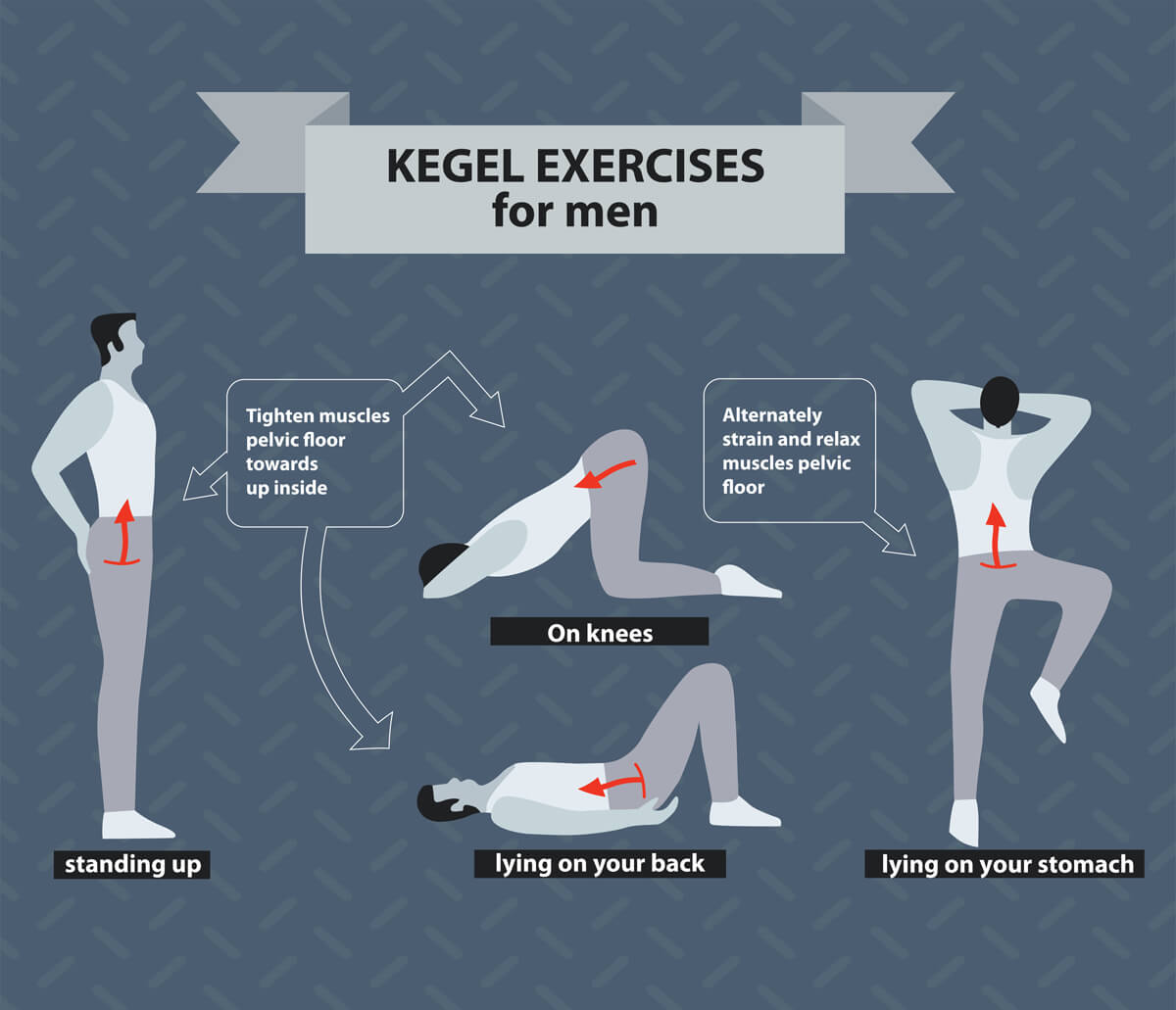
    Kegle Exercises for men

    Kegel Exercises for Men

    Learn the importance of Kegel exercises for men to enhance bladder control and tackle issues like erectile dysfunction.

    Click Here to Learn More

    Find More Similar Topics Below:

    https://dentalhealthnaturalsolutions.com/kegel-exercises/

    https://dentalhealthnaturalsolutions.com/how-to-do-kegel-exercises/

    https://dentalhealthnaturalsolutions.com/kegel-exercises-for-women/

    https://dentalhealthnaturalsolutions.com/benefits-of-kegel-exercises/

  • Kegel Exercises for Women

    Kegel Exercises for Women

    Kegel exercises, named after Dr. Arnold Kegel who developed them in the 1940s, involve a form of pelvic floor muscle training. They are designed to strengthen the muscles that support the bladder, uterus, and rectum. These exercises are particularly beneficial for women. They are especially useful during and after pregnancy. They can help prevent or treat urinary incontinence. Additionally, they improve sexual performance.

    Anatomy of the Pelvic Floor

    The pelvic floor is a group of muscles and connective tissues that span the bottom of the pelvis. It plays a crucial role in supporting pelvic organs like the bladder, uterus, and rectum. The primary muscles involved in Kegel exercises include the pubococcygeus (PC) muscle, which is part of the levator ani group. Strengthening these muscles can lead to improved control over urination and bowel movements.

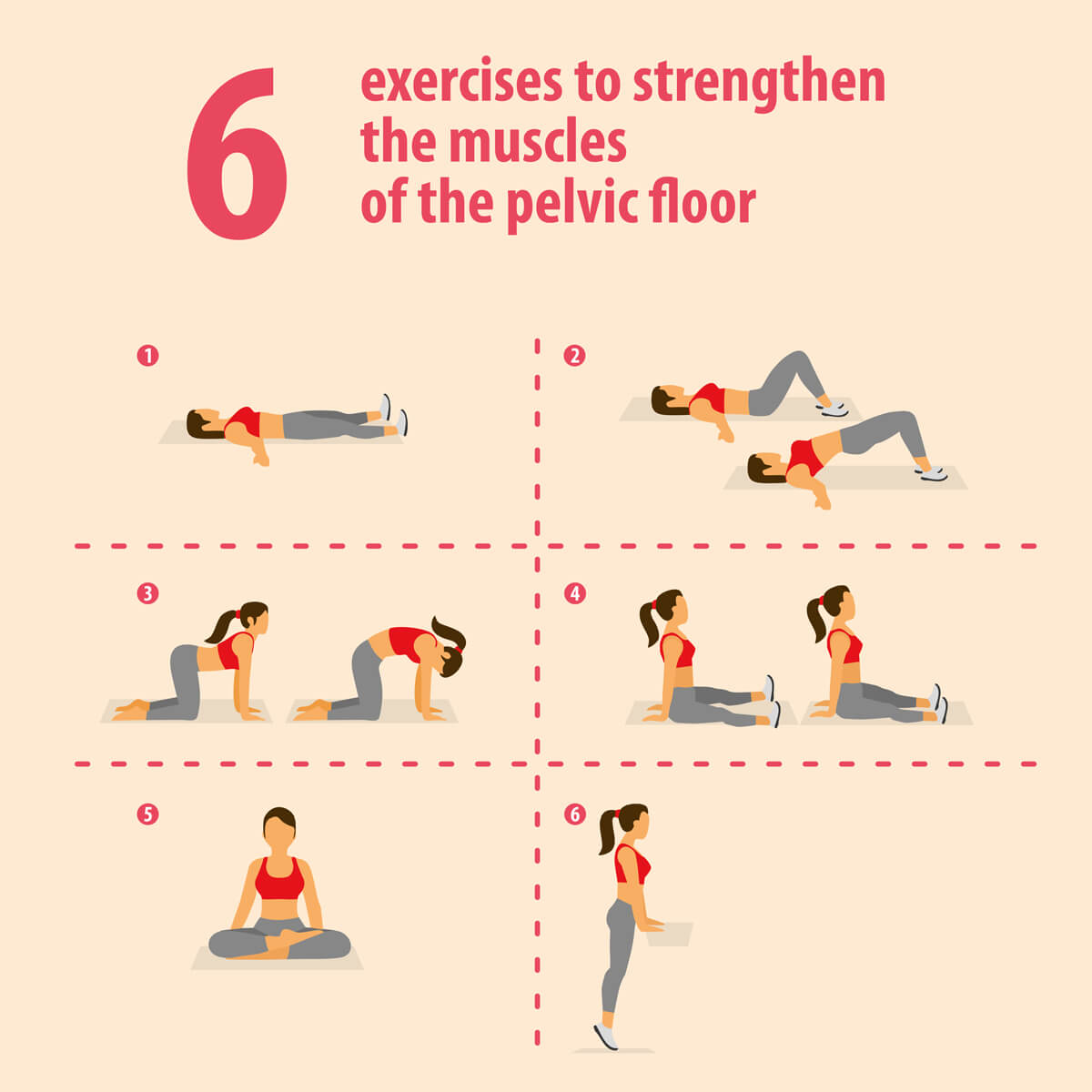
    6 exercises to strengthen the muscles of the pelvic floor

    Benefits of Kegel Exercises

    1. Improved Bladder Control: One of the most significant benefits of Kegel exercises is their ability to enhance bladder control. Many women experience urinary incontinence due to weakened pelvic floor muscles from childbirth or aging. Regular practice can help mitigate these issues.
    2. Enhanced Sexual Role: Strengthening pelvic floor muscles can lead to increased sensation during intercourse. This can contribute to more intense orgasms. Some studies suggest that women who do Kegel exercises report greater sexual satisfaction.
    3. Support During Pregnancy: Pregnant women can gain from Kegel exercises. These exercises help prepare for childbirth by increasing muscle tone in the pelvic region. They also improve elasticity. This preparation will simplify labor and recovery postpartum.
    4. Postpartum Recovery: After giving birth, many women face challenges related to pelvic floor strength due to stretching during delivery. Engaging in Kegel exercises can aid recovery by restoring muscle tone.
    5. Prevention of Pelvic Organ Prolapse: A strong pelvic floor can help prevent conditions like pelvic organ prolapse. This occurs when organs like the bladder or uterus descend into the vaginal canal. The descent happens due to weakened support structures.

    How to Perform Kegel Exercises

    To effectively perform Kegel exercises:

    1. Identify Your Pelvic Floor Muscles: The first step is locating your PC muscles. A common method is to try stopping urination midstream; this action engages your pelvic floor muscles.
    2. Technique:
      • Contract your PC muscles for about 3-5 seconds.
      • Relax them for an equal duration.
      • Aim for 10-15 repetitions per session.
      • Gradually increase contraction duration up to 10 seconds as you gain strength.
    3. Frequency: It is recommended to carry out these exercises at least three times a day for optimal results.
    4. Avoid Common Mistakes: Make sure you are not holding your breath while performing Kegels. Do not tighten your abdominal or thigh muscles. Focus solely on isolating and contracting your pelvic floor muscles.

    Considerations

    Kegel exercises are generally safe for most women. Still, it’s essential to consult with a healthcare provider before starting any new exercise regimen. This is especially important if there are existing health concerns like severe urinary incontinence or prolapse conditions.

    In conclusion, Kegel exercises are a simple yet effective way for women to enhance their pelvic health. These exercises involve targeted muscle strengthening techniques. They yield many physical benefits across various life stages.

    Kegel Exercises for Women: Everything you need to know

    Kegel Exercises for Women

    Strengthen your pelvic floor with Kegel exercises for women. Improve bladder control and sexual health with these simple techniques.

    Click Here to Learn More

  • Kegel Exercises

    Kegel Exercises

    Kegel exercises, named after Dr. Arnold Kegel, are a form of pelvic floor muscle training that aims to strengthen the muscles of the pelvic floor. The pelvic floor consists of a group of muscles that support the bladder, uterus (in women), and rectum. Strengthening these muscles can lead to improved bladder control, enhanced sexual ability, and reduced risk of pelvic organ prolapse.

    History and Development of Kegel Exercises

    Dr. Arnold Kegel first introduced these exercises in the 1940s as a non-surgical treatment for urinary incontinence in women post-childbirth. His research highlighted the importance of pelvic floor strength not only for urinary control but also for overall pelvic health. Over time, Kegel exercises have gained recognition beyond their original application. They have become a staple recommendation in various health fields, including obstetrics, gynecology, urology, and physical therapy.

    Mechanism of Action of Kegel Exercises

    The primary mechanism behind Kegel exercises involves the voluntary contraction and relaxation of the pelvic floor muscles. To execute a Kegel exercise correctly, an individual must first find the right muscles. These are often described as those used to stop urination midstream. Once identified, one can practice contracting these muscles for several seconds followed by relaxation periods.

    Steps to Do Kegel Exercises:

    1. Identify the Muscles: As mentioned earlier, locate your pelvic floor muscles by attempting to stop urination midstream.
    2. Contract: Tighten these muscles and hold the contraction for about 3-5 seconds.
    3. Relax: Release the contraction completely for an equal duration.
    4. Repeat: Aim for 10-15 repetitions per session.
    5. Frequency: Ideally carry out this routine three times a day.

    Benefits of Kegel Exercises

    The benefits of regular practice of Kegel exercises are extensive:

    1. Improved Bladder Control: Regularly engaging in these exercises can significantly reduce instances of urinary incontinence.
    2. Enhanced Sexual Role: For women, stronger pelvic floor muscles lead to increased sexual arousal. They also experience increased satisfaction. Men experience improved erectile performance.
    3. Support During Pregnancy: Strengthening pelvic muscles can help manage some discomfort linked with pregnancy and labor.
    4. Postpartum Recovery: Women who engage in Kegel exercises postpartum often report quicker recovery from childbirth-related changes.
    5. Prevention of Prolapse: Stronger pelvic floor muscles can help prevent conditions like uterine or vaginal prolapse.

    Considerations of Kegel Exercises

    While Kegel exercises are generally safe for most individuals, there are some considerations:

    • Individuals should avoid performing them while urinating regularly as this could lead to incomplete emptying of the bladder over time.
    • Those with certain medical conditions or undergoing specific treatments should consult healthcare providers before starting any new exercise regimen.

    Conclusion on Kegel Exercises

    In summary, Kegel exercises are an effective method for strengthening the pelvic floor musculature. They offer many health benefits. These range from improved bladder control to enhanced sexual ability. They also support pregnancy and postpartum recovery.

    Pelvic floor exercises for men

    5-Second ‘Sex Muscle Trick’ Helps Any Man Last 15 Minutes Or More In Bed

    Learn about Kegel exercises, their history, and how these pelvic floor workouts can improve overall health for everyone.

    Click Here to Learn More

  • Sexual Benefits of Kegel Exercises

    Sexual Benefits of Kegel Exercises

    Kegel exercises involve the contraction and relaxation of the pelvic floor muscles. They offer several sexual benefits for both women and men. These exercises are designed to strengthen the pelvic floor. This area plays a crucial role in sexual activity. It also contributes to overall pelvic health.

    7 Sexual Benefits of Kegel Exercises

    1. Improved Muscle Tone and Control

    One of the primary benefits of Kegel exercises is the enhancement of muscle tone in the pelvic floor. Stronger pelvic muscles can lead to better control during sexual activity. For women, this increased control can enhance sensations during intercourse, leading to more intense orgasms. Men also experience improved control over ejaculation, which can contribute to longer-lasting sexual encounters.

    2. Increased Blood Flow

    Kegel exercises promote better blood circulation to the pelvic region. This increased blood flow can enhance arousal and lubrication in women, making sexual experiences more pleasurable. For men, improved circulation can support erectile role and overall sexual performance.

    3. Enhanced Orgasm Quality

    Research suggests that strengthening the pelvic floor muscles through Kegels can lead to heightened orgasmic experiences for both genders. Women often report stronger contractions during orgasm when their pelvic floor muscles are well-conditioned. Men find that stronger muscle tone contributes to more powerful ejaculations.

    4. Psychological Benefits

    The practice of Kegel exercises can also have psychological benefits related to body image and confidence during sexual activity. Women who gain better control over their pelvic muscles experience an increase in self-esteem. This improvement pertains to their sexual health and performance. This psychological boost can enhance intimacy with partners.

    5. Support During Pregnancy and Postpartum Recovery

    For women, Kegel exercises during pregnancy prepare the body for labor. They increase muscle strength in the pelvic area. These exercises also enhance flexibility. After childbirth, these exercises help restore muscle tone. Delivery has affected this tone. The exercises also contribute positively to sexual health.

    6. Prevention of Pelvic Floor Disorders

    Maintaining strong pelvic floor muscles through regular Kegel exercises is important. It reduces the risk of developing conditions like urinary incontinence or pelvic organ prolapse. These conditions can negatively impact sexual role.

    In summary, Kegel exercises offer significant benefits for enhancing sexual health. They improve muscle tone and control. They increase blood flow and enhance orgasm quality. These exercises offer psychological advantages and support pregnancy recovery. They also prevent disorders related to the pelvic floor.

    Sexual Benefits of Kegel Exercises

    Strengthen your pelvic floor with Kegel exercises for enhanced sexual benefits. Experience better control and more intense sensations.

    Click Here to Learn More

  • Benefits of Kegel Exercises

    Benefits of Kegel Exercises

    Kegel exercises, also known as pelvic floor exercises, provide numerous benefits for individuals with both vaginas and penises. These exercises focus on strengthening the pelvic floor muscles. These muscles support various organs in the pelvis. These organs include the bladder, bowel, and vagina. Below are some of the key benefits associated with performing Kegel exercises:

    1. Improved Bladder Control

    Kegel exercises help strengthen the pelvic floor muscles that control urination. This can lead to a reduction in urinary incontinence, allowing individuals to have better control over their bladder function. People may experience leakage during activities such as coughing, sneezing, or exercising. They may find significant improvement through regular practice of Kegels.

    2. Enhanced Bowel Control

    Kegels can improve bowel control. They achieve this by strengthening the muscles that help manage fecal continence. This is similar to their effects on bladder control. This is particularly beneficial for individuals who suffer from fecal incontinence or those recovering from surgeries that affect bowel function.

    3. Support During Pregnancy and Postpartum Recovery

    For pregnant individuals, practicing Kegel exercises can facilitate easier labor. These exercises provide greater control over pelvic muscles during childbirth. Additionally, postpartum women may benefit from Kegels as they help restore muscle tone and strength after childbirth.

    4. Prevention of Pelvic Organ Prolapse

    Kegel exercises can help prevent pelvic organ prolapse (POP). This condition occurs when pelvic organs descend due to weakened pelvic floor muscles. Strengthening these muscles provides better support for the organs and reduces the risk of prolapse.

    5. Improved Sexual Health

    Kegel exercises may enhance sexual health by increasing blood circulation to the pelvic region. They also improve muscle tone in the vagina or penis. For women, this can lead to increased arousal and lubrication. For men, it may improve erectile function. It can also enhance overall sexual performance.

    6. Increased Muscle Awareness

    Performing Kegels helps individuals become more aware of their pelvic floor muscles and how to engage them effectively. This awareness can contribute to better overall pelvic health and function.

    7. Reduced Risk of Post-Surgical Complications

    For individuals undergoing certain surgeries, Kegel exercises can aid recovery. This is especially true for prostate surgery in men. These exercises minimize complications related to urinary incontinence post-surgery.

    8. Overall Pelvic Floor Health Maintenance

    Exercising other muscle groups in the body is important. Similarly, maintaining strong pelvic floor muscles is essential for overall health. Regularly performing Kegels contributes to long-term pelvic floor fitness.

    In summary, Kegel exercises offer numerous benefits. They enhance both physical health and quality of life. People across different demographics can experience these improvements.

    Benefits of Kegel Exercises

    Learn about the benefits of Kegel exercises for all genders. Strengthen your pelvic muscles and improve control effortlessly.

    Click Here to Learn More

  • How to Do Kegel Exercises

    How to Do Kegel Exercises

    What are Kegel exercises?

    Kegel exercises are also known as pelvic floor muscle training. They consist of simple exercises designed to strengthen the pelvic floor muscles. These muscles support critical organs in the pelvis, including the bladder, rectum, and uterus. By performing Kegel exercises, individuals can enhance their ability to control urinary and bowel functions. They can also reduce the risk of involuntary leakage of urine, stool, or gas.

    Why should I do Kegel exercises?

    There are several reasons to incorporate Kegel exercises into your routine. Weak pelvic floor muscles can result from various factors such as pregnancy and childbirth, aging, surgery, or certain health conditions. Strengthening these muscles through Kegels can help alleviate issues like urinary incontinence (leaking urine) and fecal incontinence (leaking stool). It can even improve sexual function for both men and women. Studies have shown that pelvic floor muscle training can lead to significant improvements in these areas.

    How do I perform Kegel exercises?

    To effectively perform Kegel exercises, you first need to identify your pelvic floor muscles. Here are some methods to locate them:

    1. Stopping Urine Flow: While urinating, try to stop the flow of urine midstream. The muscles you engage to do this are your pelvic floor muscles. However, this method should only be used initially for identification purposes. Regularly stopping urine midstream can increase the risk of urinary tract infections.
    2. Preventing Gas: Imagine trying to prevent yourself from passing gas. The muscles you would use are the same ones you need for Kegels.
    3. Insertion Method: For women, insert a finger into the vagina. Squeeze around it to help identify the correct muscles. You will feel tightness if you engage the correct muscles. For men, inserting a finger into the anus and squeezing will serve a similar purpose.

    Once you’ve identified your pelvic floor muscles:

    1. Squeeze: Tighten your pelvic floor muscles and hold for about 3 seconds.
    2. Relax: Release the squeeze completely and relax for another 3 seconds.
    3. Repeat: Aim for 10-15 repetitions per session.

    It is recommended to perform at least three sets of Kegels each day as part of a regular exercise routine.

    Tips for Success:

    • Start slowly: If you’re new to Kegels, begin with just a few repetitions at a time.
    • Gradually increase: Work up to holding each contraction longer (up to 10 seconds) and increasing repetitions.
    • Avoid straining. Make sure you’re not holding your breath. Avoid tightening other muscle groups like your abdomen or thighs while doing Kegels.
    • Seek professional guidance. If you’re unsure whether you’re performing them correctly, consult with a healthcare provider. If you experience pain during exercise, talk to a physical therapist specializing in pelvic health.

    Signs of Improvement:

    Over time, with consistent practice of Kegel exercises, individuals may notice improvements. These improvements include reduced leakage during activities like coughing or sneezing. There is also enhanced sexual satisfaction due to better muscle control.

    6 Exercises to Strengthen the Muscles of the Pelvic Floor

    Strengthening the pelvic floor muscles is crucial for maintaining overall pelvic health. It helps prevent issues such as urinary leakage, pelvic organ prolapse, and chronic pelvic pain. Below are six effective exercises that can help strengthen these important muscles.

    1. Breathing Exercises
    Breathing exercises are foundational for engaging the pelvic floor. To practice this:

    • Lie down on your back. Place one hand on your chest. Put the other hand on your stomach above your belly button.
    • Inhale deeply through your nose, aiming to push your stomach out rather than lifting your chest. This helps promote diaphragmatic breathing, which is crucial for activating the pelvic floor muscles.

    2. Pelvic Floor Stretching
    Stretching helps relax and open up the pelvic area, which can enhance muscle function. Some effective stretches include:

    • Leaning over a counter: Stand facing a counter and lean forward while keeping your feet flat on the ground.
    • Butterfly legs: Sit with the soles of your feet together. Then gently press down on your knees. This will stretch the inner thighs and pelvis.
    • Happy Baby Pose: Lie on your back. Grab the outer edges of your feet. Pull them towards you while keeping your knees bent.
    • Child’s Pose: Kneel on the ground, sit back onto your heels, and stretch forward with arms extended in front.

    3. Single Straight Leg Raise
    This exercise targets both core strength and pelvic floor engagement:

    • Lie down on your back next to a doorway with one leg closest to it.
    • Keep both arms relaxed by your sides. Lift the leg closest to the door frame straight up towards the ceiling. Keep it straight. Ensure that other body parts remain grounded throughout this movement.

    4. Quick Flick Kegels
    Kegel exercises are vital for strengthening pelvic floor muscles:

    • Start by lying on the floor with knees bent and feet flat.
    • Exhale while pulling in your navel towards your spine. Quickly contract and release your pelvic floor muscles, like stopping urine flow. Aim for 10 quick flicks followed by a 10-second rest; repeat for 2–3 sets.

    5. Heel Slides
    Heel slides engage both core stability and pelvic floor contraction:

    • Lie down with knees bent in a neutral position.
    • Inhale into your rib cage. Exhale while drawing up the pelvic floor. Slide one heel away from you without losing connection to deep core muscles. Return it to the start position.

    6. Marches (Toe Taps)
    This exercise enhances core stability while promoting pelvic floor engagement:

    • Begin lying down with knees bent in a neutral position similar to heel slides.
    • Inhale deeply. Exhale while drawing up the pelvic floor. Then, slowly lift one leg into a tabletop position. Lower it back down before alternating legs. Do this without straining your lower back.

    Incorporating these exercises into a regular fitness routine can significantly improve pelvic floor strength and function.

    How to Do Kegel Exercises

    Explore the benefits of Kegel exercises and learn how to do Kegel exercises to prevent incontinence and strengthen your muscles.

    Click Here to Learn More