
Kegel exercises, named after Dr. Arnold Kegel who developed them in the 1940s, involve a form of pelvic floor muscle training. They are designed to strengthen the muscles that support the bladder, uterus, and rectum. These exercises are particularly beneficial for women. They are especially useful during and after pregnancy. They can help prevent or treat urinary incontinence. Additionally, they improve sexual performance.
Anatomy of the Pelvic Floor
The pelvic floor is a group of muscles and connective tissues that span the bottom of the pelvis. It plays a crucial role in supporting pelvic organs like the bladder, uterus, and rectum. The primary muscles involved in Kegel exercises include the pubococcygeus (PC) muscle, which is part of the levator ani group. Strengthening these muscles can lead to improved control over urination and bowel movements.
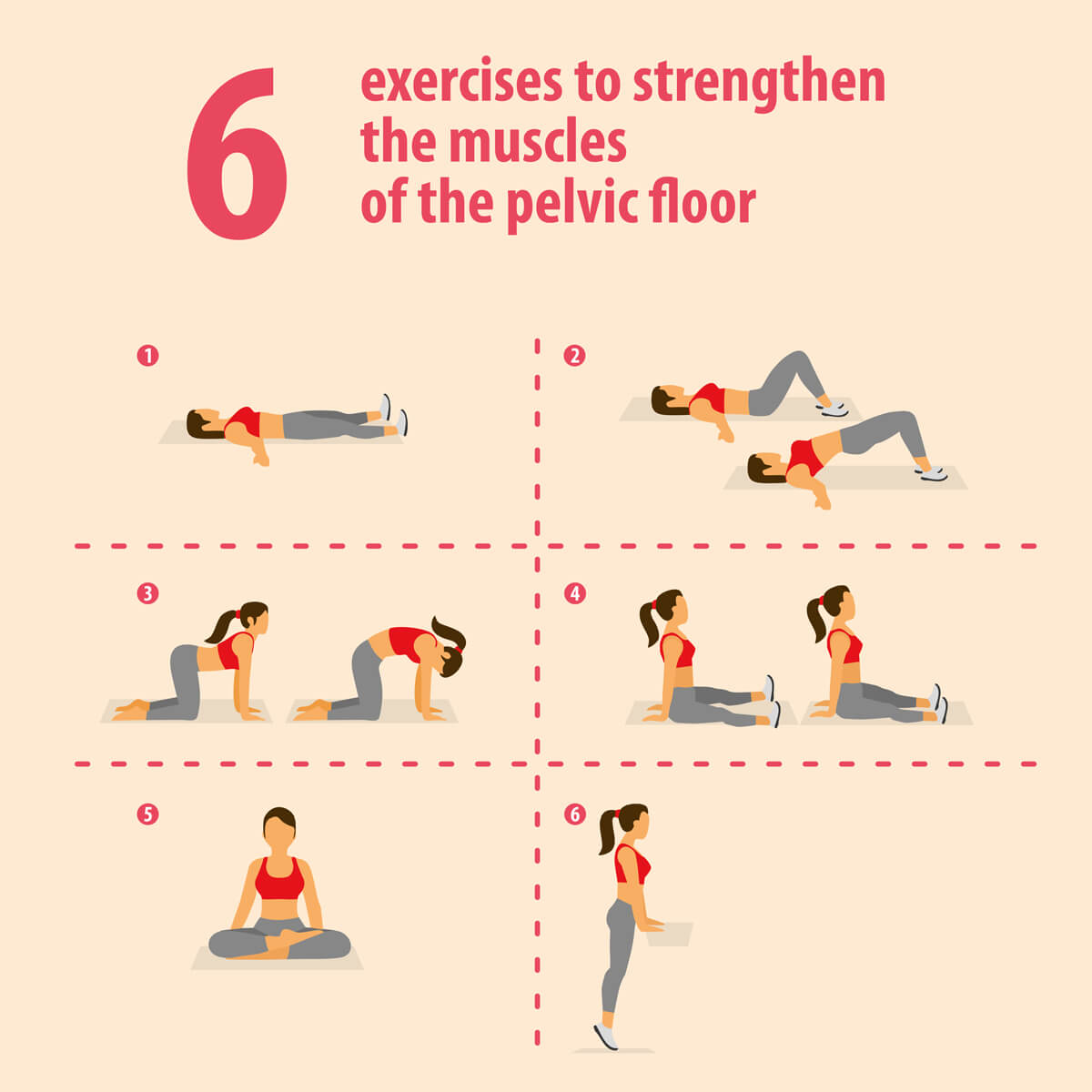
Benefits of Kegel Exercises
- Improved Bladder Control: One of the most significant benefits of Kegel exercises is their ability to enhance bladder control. Many women experience urinary incontinence due to weakened pelvic floor muscles from childbirth or aging. Regular practice can help mitigate these issues.
- Enhanced Sexual Role: Strengthening pelvic floor muscles can lead to increased sensation during intercourse. This can contribute to more intense orgasms. Some studies suggest that women who do Kegel exercises report greater sexual satisfaction.
- Support During Pregnancy: Pregnant women can gain from Kegel exercises. These exercises help prepare for childbirth by increasing muscle tone in the pelvic region. They also improve elasticity. This preparation will simplify labor and recovery postpartum.
- Postpartum Recovery: After giving birth, many women face challenges related to pelvic floor strength due to stretching during delivery. Engaging in Kegel exercises can aid recovery by restoring muscle tone.
- Prevention of Pelvic Organ Prolapse: A strong pelvic floor can help prevent conditions like pelvic organ prolapse. This occurs when organs like the bladder or uterus descend into the vaginal canal. The descent happens due to weakened support structures.
How to Perform Kegel Exercises
To effectively perform Kegel exercises:
- Identify Your Pelvic Floor Muscles: The first step is locating your PC muscles. A common method is to try stopping urination midstream; this action engages your pelvic floor muscles.
- Technique:
- Contract your PC muscles for about 3-5 seconds.
- Relax them for an equal duration.
- Aim for 10-15 repetitions per session.
- Gradually increase contraction duration up to 10 seconds as you gain strength.
- Frequency: It is recommended to carry out these exercises at least three times a day for optimal results.
- Avoid Common Mistakes: Make sure you are not holding your breath while performing Kegels. Do not tighten your abdominal or thigh muscles. Focus solely on isolating and contracting your pelvic floor muscles.
Considerations
Kegel exercises are generally safe for most women. Still, it’s essential to consult with a healthcare provider before starting any new exercise regimen. This is especially important if there are existing health concerns like severe urinary incontinence or prolapse conditions.
In conclusion, Kegel exercises are a simple yet effective way for women to enhance their pelvic health. These exercises involve targeted muscle strengthening techniques. They yield many physical benefits across various life stages.

Kegel Exercises for Women
Strengthen your pelvic floor with Kegel exercises for women. Improve bladder control and sexual health with these simple techniques.
 Health Supplement Blog